Text · Pastor's blog · 30.8.2024
The local church, part 5/5
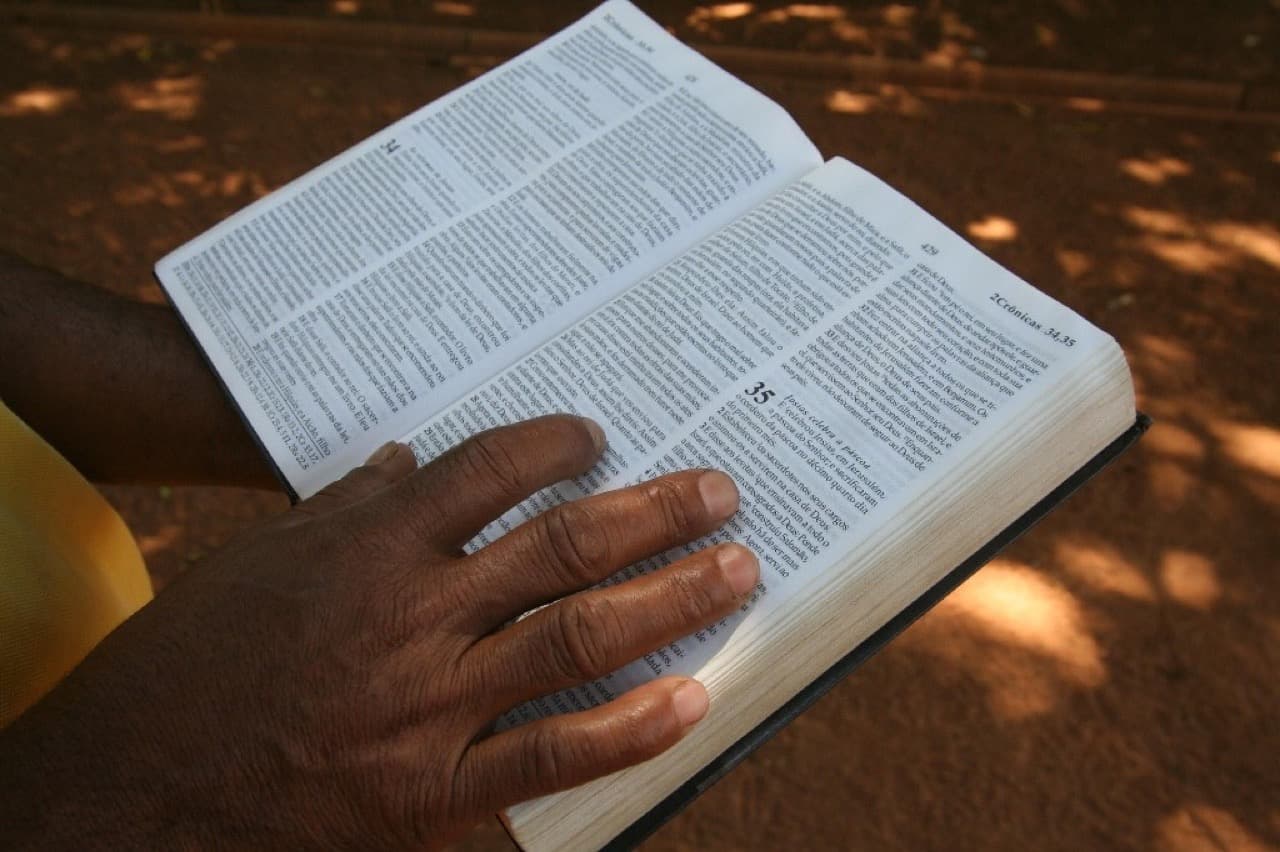
As we have already noted earlier, teaching played a significant role among the first disciples of Jesus. In Jerusalem…
As we have already noted earlier, teaching played a significant role among the first disciples of Jesus. The disciples who were in Jerusalem are said to have gathered in Solomon’s porch connected with the temple, so the local church in Jerusalem had a defined meeting place where the disciples — in addition to private homes — were taught, as the following passages show:
1. “And when they heard this, they entered into the temple about daybreak, and taught.”
2. “We strictly charged you not to teach in this name: and behold, ye have filled Jerusalem with your teaching…”
3. “And every day, in the temple and at home, they ceased not to teach and to preach Jesus as the Christ.”
As a result, “believers were the more added to the Lord,” but in the same connection it is also said that “of the rest durst no man join himself to them.” Alongside defined meeting places there were therefore also two distinguishable groups. First, those who were not obedient to the faith, and who also did not join the local church. And second, those who, having come to faith, joined the local church through baptism. That is, those of whom it is said that “they were all with one accord in Solomon’s porch.”
Alongside Jerusalem a local church also sprang up in the city of Corinth, and to this church the apostle Paul wrote among other things: “…that he that hath done this deed might be taken away from among you…” John for his part wrote in his own letter: “They went out from us, but they were not of us…” How can anyone be put out from among you, or how can anyone leave fellowship, unless there is first a company — in this case a local church — from which they for one reason or another separate?
When people leave the local church, they become separated from teaching, from fellowship, and also from that mirror which the fellowship of believers offers. King Solomon already defined how “he that separateth himself seeketh his own desire,” but “as in water face answereth to face, so the heart of man to man.” Without the reflection other people give, a person easily comes to think of themselves and their doings all sorts of things that do not match reality.
The apostle Peter exhorts us to gird ourselves “with humility toward one another,” which is in no way possible unless there are people around us among whom we can live out this instruction. Equally, our spiritual growth remains incomplete unless there are people around us who can teach us the truths of God’s word. The spiritual growth of the members of local churches was so significant to the apostle Paul that he taught them even from prison by letter. Writing to the believers in Corinth he affirmed the existence of Christ’s universal church, but also stressed the role of the many local churches when he said in one place in the plural, “that we have no such custom, neither the churches of God.”
Scripture:
Prov 18, 27 Acts 5 1 Cor 5, 11, 12 Eph 6 1 Pet 5 1 John 2